How The Recent Stock Market Downturn Signals Potential Price Increases for Consumers and Businesses The stock market has experienced significant volatility in the past week, marked by a sharp downturn driven by political instability, trade tensions, and global...
Cellulitis can be Life Threatening
If no medical care is available-Do all members of your family have a Jase Case?
Melissa Gilbert of Little House on the Prairie, recently posted on Instagram that she had to go to the hospital. 2 days prior, an insect bit her arm. The bite had turned red, swollen, and hot to touch. Her doctor told her to go to the ER, where she was diagnosed with cellulitis. She was put on a IV of antibiotics, Benadryl and Acetaminophen.
Years back, when I worked in a family practice clinic, I received a phone call from one of our patients, a single mom, who was camping with her 4 children outside of Disneyland. (Back then they had camping, more affordable than the hotels.) She had just spent the last 3 days going to the local walk-in clinic where she received IV antibiotics for cellulitis. She went on to tell me that she had saved for years to go on this vacation with her kids by selling Avon to finance the trip. The last Avon order had come in right before her trip. In her excitement to get orders to her customers she ripped open the box, and in doing so cardboard fibers lodged under her thumb. She removed the fibers, but the area had remained very red and swollen. She ignored the injury and went on the planned vacation, where she ended up seeking medical attention for what seemed at the time like a minor injury.
What is cellulitis and what to do if medical attention isn’t readily available?
Cellulitis is a serious infection that spreads to surrounding tissue from a break in the skin. It usually occurs around the arms and legs but can be found in other areas of the body as well. Group A Streptococcus (S. pyogenes), is the most common bacteria that causes cellulitis; however, staphylococcus bacteria can also cause cellulitis.
The bacteria enter through breaks in the skin through:
- Cuts, bites (insect, spider animal)
- Tattoos, piercings
- Chronic skin conditions that compromise skin integrity and the protective barrier- eczema, athletes foot
- Chickenpox, shingles-blisters pop which leaves skin vulnerable to infection
- Chronic edema in lower extremities resulting in skin breakdown
- Injection drug use and
- Puncture wounds
Symptoms include
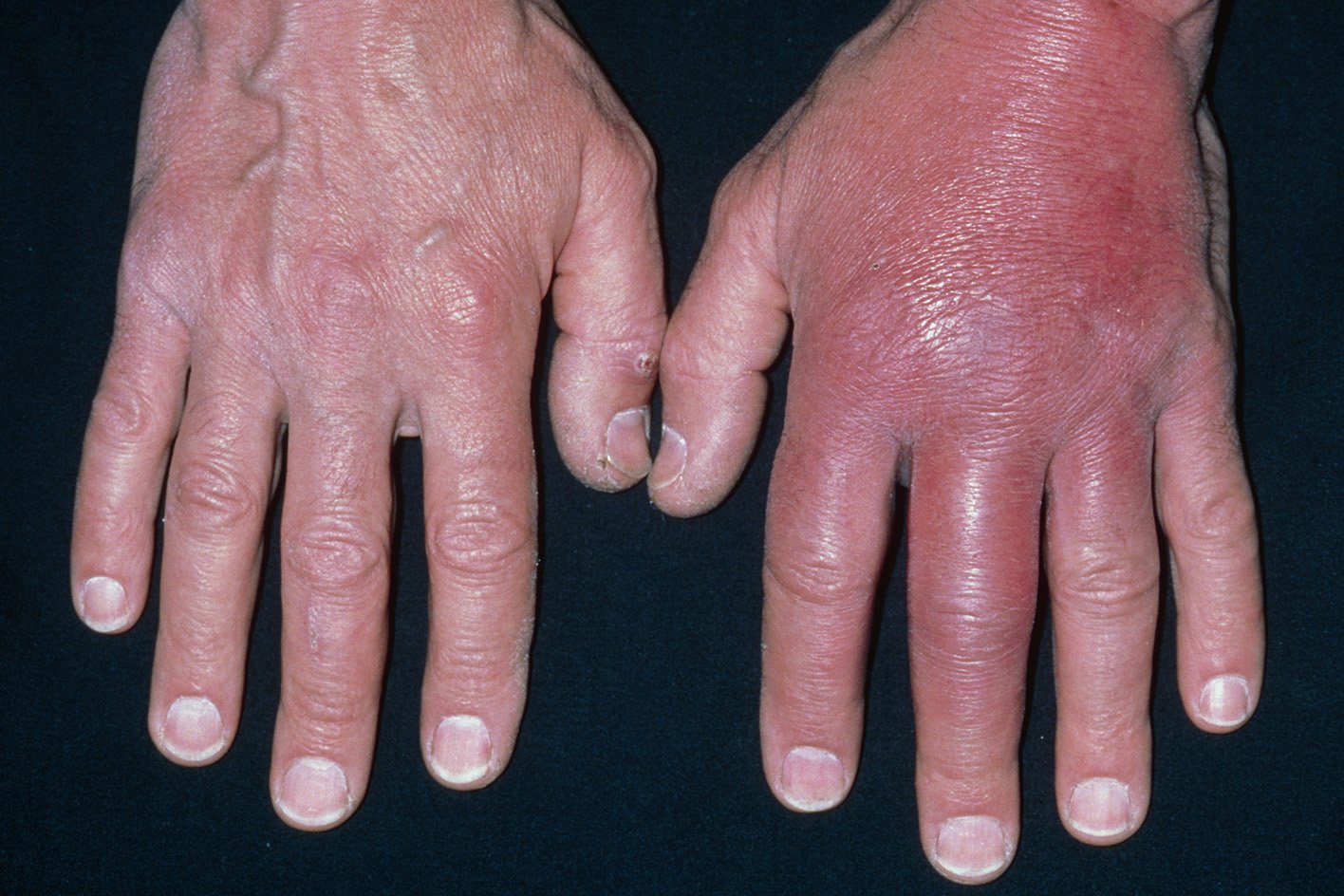
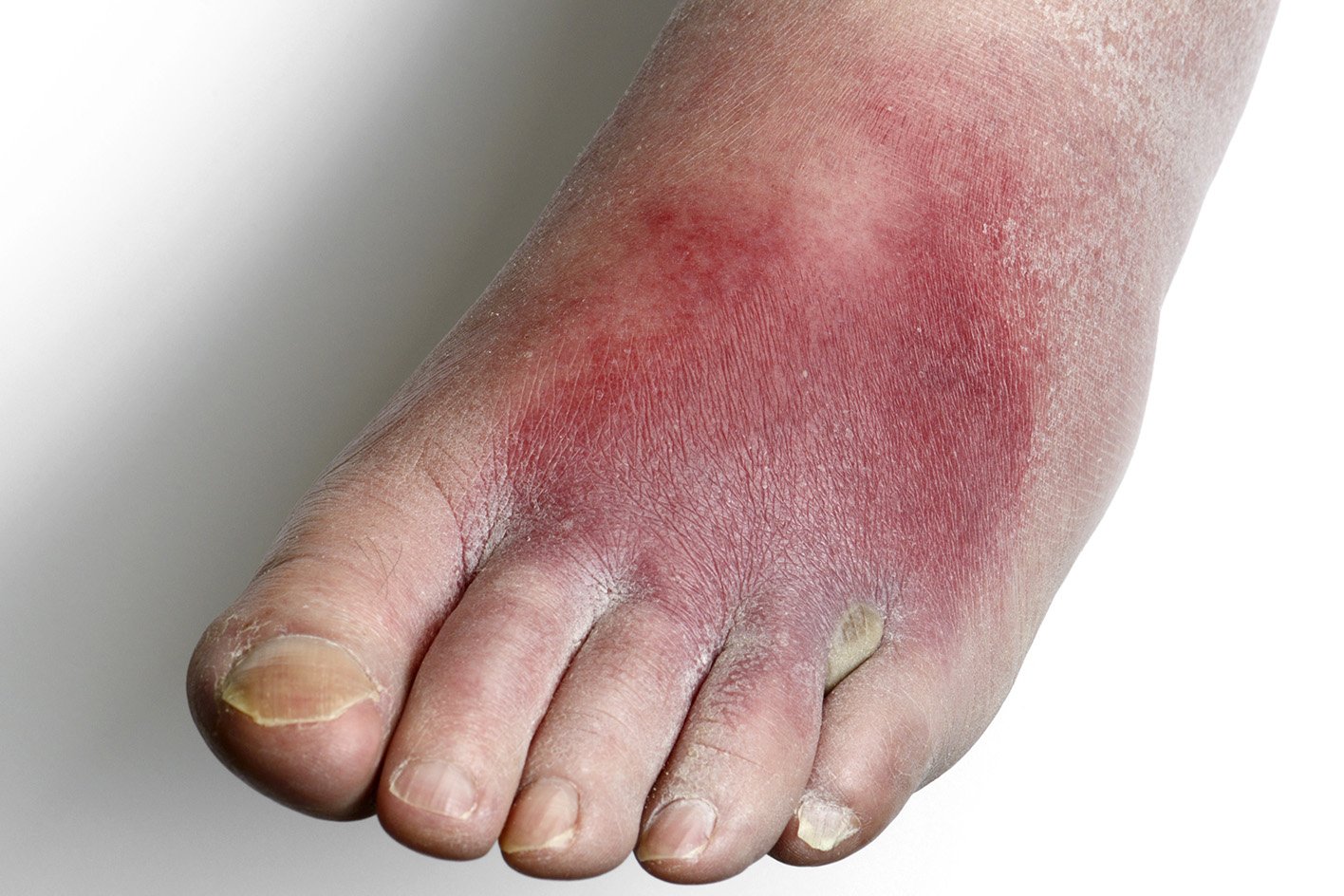
- Area surrounding the wound – redness, swelling, pain and areas are warm to touch
- Malaise, fatigue
- In more advanced cases fever, swollen lymph glands, and elevated white blood cell count
- If untreated it can lead to sepsis, amputation and even death.
- Redness and swelling usually spreads rapidly-within hours
How diagnosed
Diagnosis is usually through patient history and inspection of the affected area. Wound cultures, etc. are not indicated unless unusual pathogens are suspected.
What if you suspect cellulitis?
Cellulitis can spread rapidly, within a matter of hours. If medical care is available, don’t delay. If caught in time, oral antibiotics can stop the spread in most cases. Warm compresses can help bring infection fighting cells to the area. Apply moist, warm compresses for 20 minutes up to 5 times a day along with seeking medical care.
If in doubt if cellulitis and symptoms (pain, swelling, redness) are mild: Take a marker and draw a line around the edge of the red, swollen area. Check every hour. If the redness spreads outside the boundary, seek immediate medical attention. In addition, if there is any change, necrosis (dead tissue, sometimes black) or any other types of skin breakdown, fever, chills, confusion, dizziness, seek immediate medical attention.
TESTIf no medical care is available-Do all members of your family have a Jase Case?
Melissa Gilbert of Little House on the Prairie, recently posted on Instagram that she had to go to the hospital. 2 days prior, an insect bit her arm. The bite had turned red, swollen, and hot to touch. Her doctor told her to go to the ER, where she was diagnosed with cellulitis. She was put on a IV of antibiotics, Benadryl and Acetaminophen.
Years back, when I worked in a family practice clinic, I received a phone call from one of our patients, a single mom, who was camping with her 4 children outside of Disneyland. (Back then they had camping, more affordable than the hotels.) She had just spent the last 3 days going to the local walk-in clinic where she received IV antibiotics for cellulitis. She went on to tell me that she had saved for years to go on this vacation with her kids by selling Avon to finance the trip. The last Avon order had come in right before her trip. In her excitement to get orders to her customers she ripped open the box, and in doing so cardboard fibers lodged under her thumb. She removed the fibers, but the area had remained very red and swollen. She ignored the injury and went on the planned vacation, where she ended up seeking medical attention for what seemed at the time like a minor injury.
What is cellulitis and what to do if medical attention isn’t readily available?
Cellulitis is a serious infection that spreads to surrounding tissue from a break in the skin. It usually occurs around the arms and legs but can be found in other areas of the body as well. Group A Streptococcus (S. pyogenes), is the most common bacteria that causes cellulitis; however, staphylococcus bacteria can also cause cellulitis.
The bacteria enter through breaks in the skin through:
- Cuts, bites (insect, spider animal)
- Tattoos, piercings
- Chronic skin conditions that compromise skin integrity and the protective barrier- eczema, athletes foot
- Chickenpox, shingles-blisters pop which leaves skin vulnerable to infection
- Chronic edema in lower extremities resulting in skin breakdown
- Injection drug use and
- Puncture wounds
Symptoms include
- Area surrounding the wound – redness, swelling, pain and areas are warm to touch
- Malaise, fatigue
- In more advanced cases fever, swollen lymph glands, and elevated white blood cell count
- If untreated it can lead to sepsis, amputation and even death.
- Redness and swelling usually spreads rapidly-within hours
How diagnosed
Diagnosis is usually through patient history and inspection of the affected area. Wound cultures, etc. are not indicated unless unusual pathogens are suspected.
What if you suspect cellulitis?
Cellulitis can spread rapidly, within a matter of hours. If medical care is available, don’t delay. If caught in time, oral antibiotics can stop the spread in most cases. Warm compresses can help bring infection fighting cells to the area. Apply moist, warm compresses for 20 minutes up to 5 times a day along with seeking medical care.
If in doubt if cellulitis and symptoms (pain, swelling, redness) are mild: Take a marker and draw a line around the edge of the red, swollen area. Check every hour. If the redness spreads outside the boundary, seek immediate medical attention. In addition, if there is any change, necrosis (dead tissue, sometimes black) or any other types of skin breakdown, fever, chills, confusion, dizziness, seek immediate medical attention.
If no medical care is available-TESTDo all members of your family have a Jase Case?
Melissa Gilbert of Little House on the Prairie, recently posted on Instagram that she had to go to the hospital. 2 days prior, an insect bit her arm. The bite had turned red, swollen, and hot to touch. Her doctor told her to go to the ER, where she was diagnosed with cellulitis. She was put on a IV of antibiotics, Benadryl and Acetaminophen.
Years back, when I worked in a family practice clinic, I received a phone call from one of our patients, a single mom, who was camping with her 4 children outside of Disneyland. (Back then they had camping, more affordable than the hotels.) She had just spent the last 3 days going to the local walk-in clinic where she received IV antibiotics for cellulitis. She went on to tell me that she had saved for years to go on this vacation with her kids by selling Avon to finance the trip. The last Avon order had come in right before her trip. In her excitement to get orders to her customers she ripped open the box, and in doing so cardboard fibers lodged under her thumb. She removed the fibers, but the area had remained very red and swollen. She ignored the injury and went on the planned vacation, where she ended up seeking medical attention for what seemed at the time like a minor injury.
What is cellulitis and what to do if medical attention isn’t readily available?
Cellulitis is a serious infection that spreads to surrounding tissue from a break in the skin. It usually occurs around the arms and legs but can be found in other areas of the body as well. Group A Streptococcus (S. pyogenes), is the most common bacteria that causes cellulitis; however, staphylococcus bacteria can also cause cellulitis.
The bacteria enter through breaks in the skin through:
- Cuts, bites (insect, spider animal)
- Tattoos, piercings
- Chronic skin conditions that compromise skin integrity and the protective barrier- eczema, athletes foot
- Chickenpox, shingles-blisters pop which leaves skin vulnerable to infection
- Chronic edema in lower extremities resulting in skin breakdown
- Injection drug use and
- Puncture wounds
Symptoms include
- Area surrounding the wound – redness, swelling, pain and areas are warm to touch
- Malaise, fatigue
- In more advanced cases fever, swollen lymph glands, and elevated white blood cell count
- If untreated it can lead to sepsis, amputation and even death.
- Redness and swelling usually spreads rapidly-within hours
How diagnosed
Diagnosis is usually through patient history and inspection of the affected area. Wound cultures, etc. are not indicated unless unusual pathogens are suspected.
What if you suspect cellulitis?
Cellulitis can spread rapidly, within a matter of hours. If medical care is available, don’t delay. If caught in time, oral antibiotics can stop the spread in most cases. Warm compresses can help bring infection fighting cells to the area. Apply moist, warm compresses for 20 minutes up to 5 times a day along with seeking medical care.
If in doubt if cellulitis and symptoms (pain, swelling, redness) are mild: Take a marker and draw a line around the edge of the red, swollen area. Check every hour. If the redness spreads outside the boundary, seek immediate medical attention. In addition, if there is any change, necrosis (dead tissue, sometimes black) or any other types of skin breakdown, fever, chills, confusion, dizziness, seek immediate medical attention.
If no medical care is available-TESTDo all members of your family have a Jase Case?
Melissa Gilbert of Little House on the Prairie, recently posted on Instagram that she had to go to the hospital. 2 days prior, an insect bit her arm. The bite had turned red, swollen, and hot to touch. Her doctor told her to go to the ER, where she was diagnosed with cellulitis. She was put on a IV of antibiotics, Benadryl and Acetaminophen.
Years back, when I worked in a family practice clinic, I received a phone call from one of our patients, a single mom, who was camping with her 4 children outside of Disneyland. (Back then they had camping, more affordable than the hotels.) She had just spent the last 3 days going to the local walk-in clinic where she received IV antibiotics for cellulitis. She went on to tell me that she had saved for years to go on this vacation with her kids by selling Avon to finance the trip. The last Avon order had come in right before her trip. In her excitement to get orders to her customers she ripped open the box, and in doing so cardboard fibers lodged under her thumb. She removed the fibers, but the area had remained very red and swollen. She ignored the injury and went on the planned vacation, where she ended up seeking medical attention for what seemed at the time like a minor injury.
What is cellulitis and what to do if medical attention isn’t readily available?
Cellulitis is a serious infection that spreads to surrounding tissue from a break in the skin. It usually occurs around the arms and legs but can be found in other areas of the body as well. Group A Streptococcus (S. pyogenes), is the most common bacteria that causes cellulitis; however, staphylococcus bacteria can also cause cellulitis.
The bacteria enter through breaks in the skin through:
- Cuts, bites (insect, spider animal)
- Tattoos, piercings
- Chronic skin conditions that compromise skin integrity and the protective barrier- eczema, athletes foot
- Chickenpox, shingles-blisters pop which leaves skin vulnerable to infection
- Chronic edema in lower extremities resulting in skin breakdown
- Injection drug use and
- Puncture wounds
Symptoms include
- Area surrounding the wound – redness, swelling, pain and areas are warm to touch
- Malaise, fatigue
- In more advanced cases fever, swollen lymph glands, and elevated white blood cell count
- If untreated it can lead to sepsis, amputation and even death.
- Redness and swelling usually spreads rapidly-within hours
How diagnosed
Diagnosis is usually through patient history and inspection of the affected area. Wound cultures, etc. are not indicated unless unusual pathogens are suspected.
What if you suspect cellulitis?
Cellulitis can spread rapidly, within a matter of hours. If medical care is available, don’t delay. If caught in time, oral antibiotics can stop the spread in most cases. Warm compresses can help bring infection fighting cells to the area. Apply moist, warm compresses for 20 minutes up to 5 times a day along with seeking medical care.
If in doubt if cellulitis and symptoms (pain, swelling, redness) are mild: Take a marker and draw a line around the edge of the red, swollen area. Check every hour. If the redness spreads outside the boundary, seek immediate medical attention. In addition, if there is any change, necrosis (dead tissue, sometimes black) or any other types of skin breakdown, fever, chills, confusion, dizziness, seek immediate medical attention.
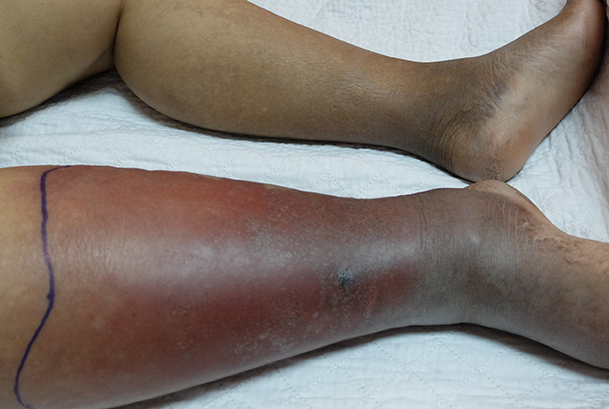
What if no immediate medical care is available?

Cellulitis can quickly become life threatening. Early intervention can mean the difference between life and death.
- Monitor all skin breaks including scrapes, cuts, insect bites – If you have young children be sure to inspect their skin on a regular basis. Look for the signs of skin infections that may possibly lead to cellulitis.
- Maintain hygienic practices – Group A streptococcus is spread through direct contact with infected fluid/material or droplets or when coughing. Wear disposable gloves when cleansing wound, double bag all dressings and dispose of in garbage. Avoid contact with wound drainage or other fluids from area. Wash your hands thoroughly using soap and water. There is some discussion that cellulitis isn’t contagious, however always err on the side of caution and use gloves and wash hands .
- Draw an outline with a marker around any area you have doubts about. Check hourly for redness, swelling, change in appearance of skin, blisters, necrosis (blackened skin in and surrounding skin break).
- If redness or swelling is noted outside the marked area, contact your care provider for instructions.
- If a care provider is not available for consult, follow the instructions in your Jase Case for skin infections/cellulitis. Doxycycline, included in the Jase Case is one of the most effective antibiotics for cellulitis.
Given all the instability in the world, while the infrastructure is still in place, prioritize and consider what would happen if the medical system went down, even for a week. Take advantage of Jase Daily and get your year supply of prescriptions and order Jase Case for every member of your family if you haven’t done so yet.
- Brooke Lounsbury, RN
Medical Content Writer
Lifesaving Medications
Everyone should be empowered to care for themselves and their loved ones during the unexpected.
Recent Posts
Keeping you informed and safe.

Navigating Market Turbulence: How Plummeting Stocks Can Affect Consumer Prices

A Healthy Head Start: Preparing Your Child for a Thriving School Year
Healthy kids make happy learners.A Healthy Head Start: Preparing Your Child for a Thriving School Year As summer draws to a close, it's time to shift our focus to the upcoming school year. Preparing your child for back-to-school goes beyond new backpacks and school...

Jase Stories: It Could Happen To You
When you're prepared for a mayday, you're prepared for a Monday.When normal life gets interrupted by unexpected illness, what will you rely on? If you're far from home on a trip, or pharmacies and doctors offices are closed from a natural disaster, how will you treat...